College Sports Is Becoming a Business. The Infrastructure Is Finally Catching Up.
NIL INTELLIGENCE | OCTOBER 15, 2026
Five developments revealing how compliance technology, legal uncertainty, athlete partnerships, and financial discipline are reshaping college athletics.
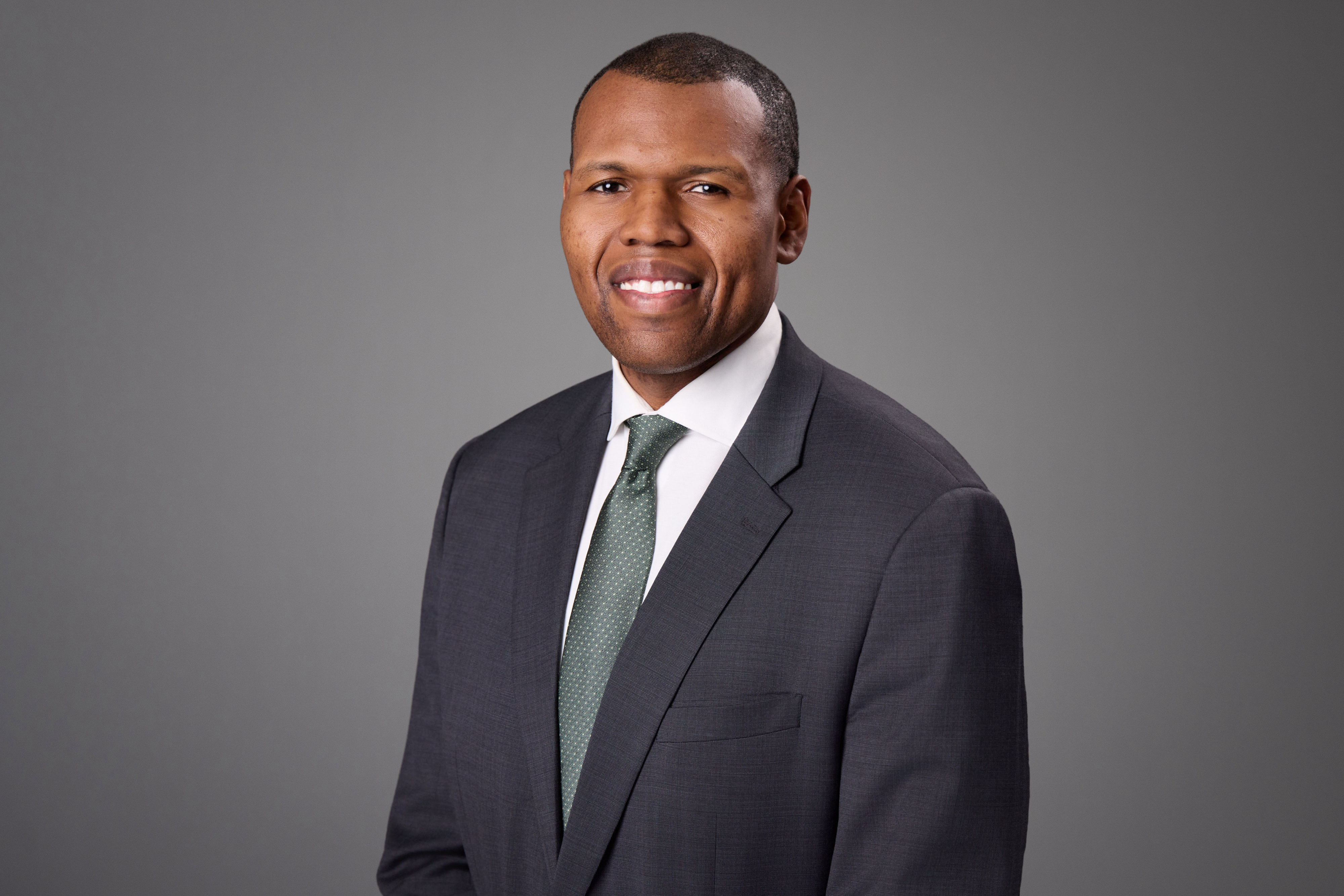
By Marcus Coleman, CFP®
Founder & CEO | Canaan Holdings LLC
Former NCAA Division I Student-Athlete | Syracuse University
October 15, 2026 | NIL Intelligence | Business • Athletics • Law
THE BIG PICTURE: NIL IS NO LONGER JUST ABOUT GETTING PAID.
When I played Division I football at Syracuse University, student-athletes could not commercially monetize their name, image, and likeness under NCAA rules.
Today, athletes can build personal brands, enter endorsement agreements, and participate in an increasingly sophisticated sports economy.
But with opportunity comes responsibility.
Contracts. Compliance. Taxes. Financial management. Intellectual property.
These are no longer peripheral considerations. They are becoming fundamental to the business of college athletics.
Five developments this week illustrate an important shift:
NIL is evolving from an emerging marketplace into an industry that requires real business infrastructure.
Here is what happened, why it matters, and what athletes, universities, and commercial partners should understand.
01 | CENTRAL MICHIGAN: YOUR SOCIAL MEDIA ACTIVITY IS NOW PART OF THE COMPLIANCE CONVERSATION.
The Development
On October 14, technology company D1 Approved announced that Central Michigan University had joined its platform as a founding partner.
According to the company's announcement, the platform is designed to:
Monitor athletes' publicly available social media activity for commercial content.
Identify potential NIL compliance issues.
Centralize compliance review, documentation, and reporting.
Provide intelligence about brands investing in college athletics.
The announcement describes athletic compliance teams responsible for overseeing approximately 350 to 600 student-athletes.
These capabilities and workload figures come from the vendor's announcement. They have not been independently validated for this analysis.
Why It Matters
This is about more than social media monitoring.
Universities are trying to solve two interconnected business challenges:
Risk management: How do institutions identify, document, and address potential NIL violations?
Revenue development: How do athletic departments understand market demand and connect athletes with legitimate commercial opportunities?
The same information that supports oversight may also inform business development.
That creates a strategic advantage for institutions with better systems, but also raises questions about data accuracy, athlete privacy, access controls, and institutional accountability.
My Perspective
As a former Division I athlete, I see both sides.
Athletes deserve commercial opportunities and clearly communicated rights.
Institutions need processes that protect their programs without creating unnecessary barriers to legitimate athlete compensation.
The goal should be informed compliance, not simply increased surveillance.
The next competitive advantage in NIL may come from institutions that combine effective technology, responsible governance, and athlete-centered commercial development.
Source: D1 Approved announcement, GlobeNewswire, October 14, 2026. Vendor-issued release, not an independent product assessment or endorsement.
02 | OHIO SUPREME COURT: ELIGIBILITY REMAINS A LEGAL AND ECONOMIC QUESTION.
The Development
On October 14, the Supreme Court of Ohio temporarily stayed an appellate decision in Borovicanin v. NCAA, restoring eligibility protections for the athletes covered by the case for now.
The court also directed the parties to submit supplemental briefs by October 19 at 5:00 PM addressing the effect of Ohio Governor Mike DeWine's October 13 executive order.
The underlying dispute concerns college eligibility rules, including their application to athletes from the high school class of 2022.
This is temporary judicial relief, not a final ruling on the merits.
Why It Matters
An athlete's remaining eligibility has economic value.
Another season could affect opportunities for NIL earnings, education, athletic development, and professional exposure.
For universities, eligibility uncertainty complicates roster construction, compensation commitments, and recruiting decisions.
My Perspective
A legal dispute over eligibility is not separate from the business of college sports.
When participation determines an athlete's access to commercial opportunity, eligibility decisions can carry meaningful financial consequences.
Legal uncertainty creates economic uncertainty.
Athletes and institutions should avoid treating temporary court orders as permanent eligibility guarantees.
Sources: Supreme Court of Ohio and Sports Illustrated's October 15 coverage. Active litigation; subsequent court action may change the outcome.
03 | EA SPORTS: ATHLETE COMPENSATION IS BECOMING A MATERIAL COST OF DOING BUSINESS.
The Development
Reporting from Insider Gaming, subsequently covered by NBC Sports and On3, raises questions about the economics of EA Sports College Football.
Reported payments to participating athletes increased from:
$600 per athlete for the franchise's 2024 return.
$1,500 per athlete for the 2026 installment.
That represents a 150% increase in the reported per-athlete payment.
Reports also describe declining sales across installments and increasing licensing costs.
However, EA Sports has not announced a cancellation, and concerns about the franchise's future remain speculative.
Why It Matters
This is an important example of the economics of intellectual property.
Athletes provide valuable commercial rights. Licensing those rights creates costs that must be supported by revenue.
Publishers also face other expenses, including development, marketing, distribution, and institutional licensing.
The central business question is straightforward:
Can the product generate enough revenue to justify the full cost of acquiring and commercializing those rights?
My Perspective
Athletes should understand the value of the intellectual property they control.
Businesses must understand their cost structures and the financial return on licensing agreements.
Neither principle eliminates the other.
Successful NIL markets require agreements that recognize athlete value while supporting commercially sustainable business models.
Sources: NBC Sports and On3. Payment and sales figures are reported, not independently audited in this analysis.
04 | CJ CARR AND CHIPOTLE: A NIL DEAL SHOULD CREATE VALUE FOR BOTH SIDES.
The Development
Notre Dame quarterback CJ Carr has entered an NIL partnership with Chipotle.
The campaign includes a limited-time menu item featuring Carr's preferred order and a campus competition connected to Chipotle U Rewards.
The competition is scheduled to conclude December 31, 2026.
The financial terms of Carr's agreement have not been publicly disclosed in the cited report.
Why It Matters
This arrangement illustrates the commercial mechanics of a modern NIL campaign.
The athlete contributes:
Name, image, likeness, and audience attention.
Brand association and promotional participation.
Campus relevance and potential customer engagement.
The business receives an opportunity to promote products, encourage participation, and potentially acquire or retain customers.
The key distinction is that an athlete's popularity is not the same thing as measurable commercial performance.
Campaign effectiveness should be evaluated using relevant metrics such as customer engagement, conversions, and incremental sales, where reliable data is available.
My Perspective
An NIL agreement should be approached as a business transaction, not merely an endorsement announcement.
Athletes should understand the term of the agreement, compensation structure, required deliverables, content usage rights, exclusivity provisions, and termination conditions.
A prominent partnership may expand future opportunities, but its economic value cannot be determined from publicity alone.
The most valuable NIL relationships create demonstrable value for both the athlete and the commercial partner.
05 | WASHINGTON FOOTBALL: ROSTER CONSTRUCTION IS NOW A CAPITAL ALLOCATION DECISION.
The Development
Washington head football coach Jedd Fisch has publicly discussed the program's financial constraints.
Fisch explained that after losing seven players to the NFL Draft, Washington relied on younger athletes rather than replacing those departures through the transfer portal.
Separately, reporting attributed to The Athletic estimated Washington's football roster spending at $21 million to $25 million, ranking 13th among the Big Ten's 18 institutions.
These figures are third-party estimates, not independently audited financial disclosures.
Why It Matters
College football programs increasingly face decisions familiar to corporate executives:
Invest in acquisition or internal development?
Acquiring experienced talent through the portal may offer immediate competitive benefits but can require significant compensation.
Developing younger players may be more capital-efficient initially, but carries performance and retention risks.
There is no universally superior approach.
The answer depends on available capital, talent evaluation, development capacity, competitive objectives, and the ability to retain productive players.
My Perspective
This is capital allocation.
Spending more does not automatically produce better outcomes. Spending less does not automatically create financial efficiency.
The objective is to deploy limited resources toward the highest-value opportunities.
That means understanding the marginal benefit of a roster investment and its opportunity cost.
Financial resources matter. So does the discipline to allocate them effectively.
THE LEGAL AND REGULATORY BACKDROP
These developments are unfolding within a regulatory environment that remains unsettled.
Federal legislation: The Protect College Sports Act passed the U.S. Senate on September 28, 2026, but has not become federal law. House consideration remains outstanding.
Third-party NIL oversight: The College Sports Commission and NIL Go reporting and review framework remain important considerations for covered transactions. New commercial monitoring platforms do not replace applicable reporting responsibilities.
Tax compliance: The IRS makes clear that NIL income must be reported as required even when the payer does not furnish Form 1099 or Form W-2.
That can include noncash compensation, such as merchandise or services, depending on the facts.
For athletes earning NIL income, accurate records are foundational.
Maintain documentation of agreements, payments, deliverables, business expenses, noncash compensation, and relevant tax information.
Do not assume that the absence of a tax document means the absence of a tax obligation.
Sources: U.S. Senate Committee on Commerce and IRS NIL Income Guidance.
THE CANAAN PERSPECTIVE: STRATEGY FOLLOWS STRUCTURE.
Five different developments. One common theme.
College sports increasingly operates at the intersection of athletics, commerce, and law.
The athletes who understand their contractual rights and financial obligations will be better positioned to navigate commercial opportunities.
The institutions that develop effective governance, compliance, and financial systems will be better equipped to manage risk and operate competitively.
The brands that approach NIL partnerships with clear objectives and measurable economics will be better positioned to assess the return on their investment.
As a former Division I student-athlete and financial professional, I believe the conversation must move beyond the size of the deal.
We need to discuss what happens before the agreement is signed, how it is executed, how compensation is managed, and what sustainable value is created afterward.
Because receiving compensation is one milestone. Building a durable enterprise is an entirely different discipline.
That is why we approach the emerging athlete economy through a fundamental principle at Canaan Holdings LLC:
STRATEGY FOLLOWS STRUCTURE.
THE NEXT STEP: THINK BEYOND THE NEXT NIL DEAL.
Whether you are a student-athlete, parent, coach, athletic administrator, business owner, or commercial partner, the questions are increasingly similar.
Are your agreements structured appropriately?
Do you understand the financial and compliance obligations?
Can you identify the risks and measure the economic value?
And are the systems in place to support long-term opportunity?
At Canaan Holdings LLC, we examine the intersection of business, athletics, and law to advance informed decision-making and sustainable enterprise development.
Explore our insights and connect with our team.
PEOPLE | OPPORTUNITY | GENERATIONAL IMPACT
Editorial Disclosure: This publication is provided by Canaan Holdings LLC for general educational and informational purposes. It does not constitute individualized legal, tax, investment, or other professional advice. Reported commercial terms, vendor claims, estimates, and pending legal developments are identified where applicable. Readers should consult appropriately qualified professionals regarding their circumstances. References to external organizations do not imply affiliation, endorsement, or partnership.

Comments