Reach Is Not Revenue: The Four Tests Every Platform Fails at Least One Of
Updated: 2 days ago
CREATOR ECONOMY INTELLIGENCE
Ryan Schram's four tests, given to Digiday, deserve to be quoted in full because they organize everything else in the report: "It helps new audiences find your work, it pays you fairly for that work, it tells you clearly what the rules are, and it lets you keep your relationship with your audience if you leave.
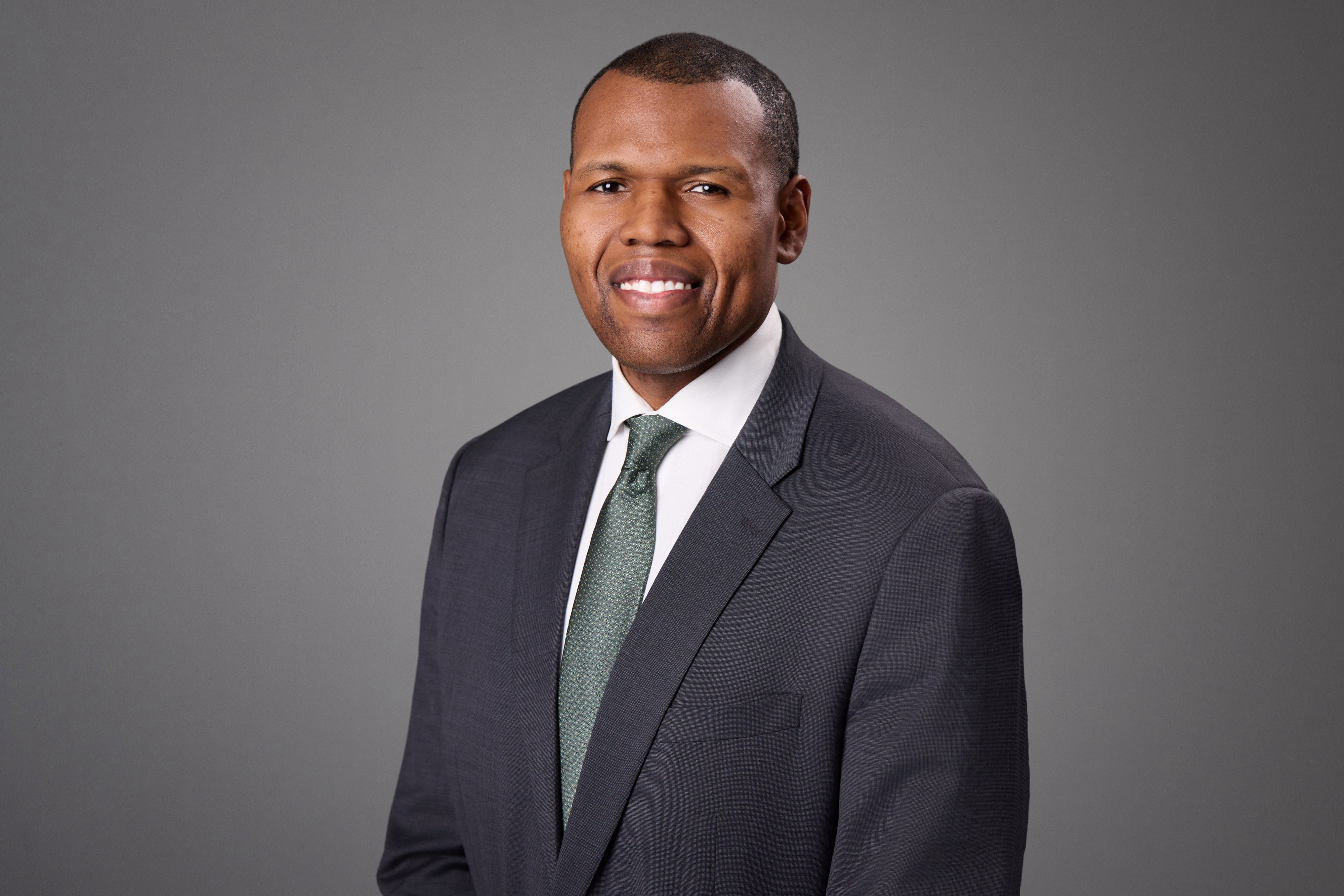
By Marcus Coleman, CFP® · Canaan Holdings LLC · PHILADELPHIA · November 3, 2026 · 9 min read
The scorecard
Ryan Schram's four tests, given to Digiday, deserve to be quoted in full because they organize everything else in the report: "It helps new audiences find your work, it pays you fairly for that work, it tells you clearly what the rules are, and it lets you keep your relationship with your audience if you leave.
Most platforms do one or two of those well. Very few do all four."
Most creator platform analysis stops at the first two tests, discovery and pay, because both are easy to count. The third and fourth tests, rule clarity and portability, are where businesses quietly succeed or fail.
A platform can pay well and still hold the entire business hostage to a flagging system nobody can explain, or to an audience the creator cannot contact outside the app. Schram's framing is useful precisely because it prices those risks before they arrive.
Schram also noted where the audiences actually sit. Journalists, campaigns, and officials gather on X, he said, but audiences are larger on YouTube and Facebook, so the most successful creators in this category publish on several platforms rather than relying on one.
The 2024 Pew Research figures he cited (85 percent of the most-followed news influencers on X, half on Instagram, 44 percent on YouTube) describe where creators maintain presence, not where they get paid. Presence and payment, in this report, are rarely the same address.
YouTube: pays the most, grows the slowest
Every creator Digiday interviewed treated YouTube as the revenue anchor among the social platforms. "YouTube has the largest news audience and pays the most," Schram said.
"It's paid out more than $100 billion over four years and shares 55% of ad revenue." A YouTube spokesperson told Digiday its systems do "not favor or penalize content based on political orientation," while noting that its systems do elevate high-quality voices in moments such as breaking news, through a homepage breaking news shelf.
YouTube also runs a news, civics, and podcast partnerships program, led by Brendan Feldman, that advises creators on growing and monetizing.
The creators add the cost side. "YouTube is the platform most worth investing in and also the hardest to grow on," said V Spehar of Under the Desk News.
"But if someone was just starting, I'd say focus on YouTube. It's the most stable and fairly monetizes, but it's hard to grow.
So you may have to create for YouTube first, and then use clips to build discoverability by posting the clips on all socials until you figure out which social platform you perform best on."
That is a complete strategy in one quote: produce for the platform that pays, distribute clips to the platforms that discover, and let performance data sort the rest. It is also an admission that no single platform passes Schram's first two tests at once for a new creator.
Instagram: the reach that does not pay
Parnas gave Digiday the cleanest reach-versus-revenue data point this publication has seen this season: "I don't make a penny because Instagram doesn't pay out for anything, in terms of Reels. So I make zero money on Instagram, but I had 450 million views last month."
He added that his viewership there is much higher than elsewhere, which is exactly what makes the zero frustrating, and exactly what makes it instructive.
Other creators split on the platform's predictability. Istook found Instagram easier to predict, with comments far less toxic than on Facebook.
Grant Hermes called its underlying structure a "black box." Adam Mockler reported 90 million views a month there, and even more on Facebook, 120 million, a platform he called an "underdog" that has been "really swinging lately," adding staff to serve it.
None of those view counts comes with a payout in the report.
Instagram, in this account, is a discovery and engagement surface of enormous scale whose cash value is realized elsewhere: in subscriptions, in sponsorships negotiated off platform, and in audience moved to places that do pay.
A creator who budgets Instagram views as revenue is budgeting a number the platform never promised.
TikTok and X: the rules test fails in public
The third test, clear and stable rules, is where TikTok and X lose the creators in this report. Spehar said TikTok blocks political content or mislabels it as ads, and that politics livestreams can be falsely reported.
Istook called it the platform that should be more reliable on engagement but is "all over the map," and described the forecasting problem plainly: "Something will do millions of views, and something else will do 1,500, which just is hard to make sense of with a follower count like I have."
Parnas placed TikTok third in his MONETIZATION ranking, below YouTube and Facebook and alongside Instagram, and described a recent video held "under review" for nearly three hours before he took it down himself.
X retains the professional audience for this category: politicians and mainstream media still post there, so creators post there too.
Istook's objection was structural, that a platform presenting itself as a public marketplace gives credence to subscribers over non-subscribers: "then you have your thumb on the scale," he told Digiday.
Whether or not a reader shares that judgment, the business translation is the same: the rules of distribution on X are a product decision that can change with the product, and a creator building there is building on someone else's current policy.
The subscription is the business
The report's final section is titled "Subscription supremacy," and its evidence is the strongest in the piece. "I prioritize Substack over everything," Parnas said.
"My paid subscription audience really funds much of my business and it's a recurring stream of revenue." He uses the social platforms to educate and to be discovered; the Substack is where the revenue pie lives, about 97 percent of it by his account, with YouTube and Facebook together at about 1 percent.
Cartwright's Breaker Media, built on scoops that exist nowhere else, runs almost exclusively on its beehiiv newsletter and its 45,000 subscribers, treating social media as an afterthought: "There's information you can only get at Breaker, and you have to pay for it."
Read those two accounts next to Schram's fourth test and the structure completes itself. A paid subscription list is discoverable nowhere and portable everywhere the creator goes.
It passes the pay test directly, the rules test by contract rather than by algorithm, and the portability test by design. It fails only the first test, discovery, which is precisely what the social platforms, for all their faults, still supply at scale.
The durable creator business in this report is therefore a two-layer structure: rented reach on top, owned revenue underneath, and a deliberate bridge between them. Creators who hold only the top layer own an audience they cannot bill.
Creators who hold only the bottom layer own a business nobody new can find. The ones Digiday found thriving hold both, and know which layer each platform is for.
Practical implications
For creators: score every platform you publish on against the four tests once a quarter. Discovery, fair pay, clear rules, portability. Reallocate production time toward platforms that pass the tests your business model actually depends on, and never let a reach-only platform carry a revenue target.
For creator businesses: treat the subscription list as the balance-sheet asset and the feeds as marketing. Report views as distribution, subscriptions as revenue, and the CONVERSION RATE between them as the number that decides whether the bridge is working.
For sponsors and partners: a creator's view count prices their distribution, not their business. Ask what share of revenue is recurring and owned before pricing a long-term deal on reach alone.
For platforms: the creators in this report are not asking for four perfect scores. They are diversifying because no platform offers them.
The first platform to pass all four tests credibly will not need to buy creators. It will inherit them.
For more creator economy intelligence from Canaan Holdings LLC, follow @canaanholdco on Instagram and DM us the word CREATOR.
CALL TO ACTION
Creators and creator businesses: book a Business Advisory Discovery call at https://www.canaanholdco.com/booking-calendar/business-advisory-discovery
For more creator economy intelligence from Canaan Holdings LLC, follow @canaanholdco on Instagram and DM us the word CREATOR.
RELATED READING
SOURCES
Digiday, November 3, 2026 (published 05:01 UTC, 12:01 AM ET), "How political creators are juggling platforms to find the three Rs: reach, revenue and rules": https://digiday.com/media/how-political-creators-are-juggling-platforms-to-find-the-three-rs-reach-revenue-and-rules/ (read in full this run:
Schram's four tests and Pew 2024 figures; YouTube's payout scale and 55 percent share as stated by Schram; the YouTube spokesperson statement; Parnas's 450 million Instagram views and zero Instagram revenue, his about 97 percent Substack and about 1 percent YouTube and Facebook revenue shares;
Spehar on YouTube's stability and growth difficulty and on TikTok flagging; Istook on TikTok unpredictability and on X; Mockler's 90 million Instagram and 120 million Facebook monthly views; Cartwright and Breaker Media's 45,000 subscribers on beehiiv.)
Pew Research Center study, 2024, as cited by Schram in the Digiday report (85 percent of the most-followed news influencers on X, half on Instagram, 44 percent on YouTube). The study is dated 2024 in every use here; no more recent edition is claimed.
Reporting periods: the Digiday report was published November 3, 2026, and reflects interviews conducted ahead of the 2026 midterm elections; creator view counts are "last month" as stated to Digiday. The Pew figures are from a 2024 study.
YouTube's payout total covers "over four years" as stated by Schram. No platform terms changed in the window are claimed; this article analyzes reported economics, not new terms.
ABOUT THE AUTHOR
Marcus Coleman, CFP® is the Founder and CEO of Canaan Holdings LLC, a Philadelphia-based holding company operating Canaan Business Advisory, Canaan Sports Management, and Canaan Family & Talent Services. STRATEGY FOLLOWS STRUCTURE. PEOPLE | OPPORTUNITY | GENERATIONAL IMPACT.
DISCLOSURE
Educational information only. Not financial, tax, or legal advice. Canaan Holdings LLC.
Canaan Holdings LLC does not provide individualized investment, tax, or legal advice.
Creator revenue shares, view counts, and subscriber counts in this article are the individual creators' own figures as reported by Digiday on November 3, 2026, not audited results and not Canaan estimates.
YouTube's payout total and revenue-share percentage are as stated by Ryan Schram to Digiday. The Pew Research figures are from a 2024 study. This article takes no position on any candidate, party, or election.


Comments