College Sports Has a Revenue Problem. Smaller Programs Need a Different Playbook.
Updated: 2 days ago
NIL INTELLIGENCE
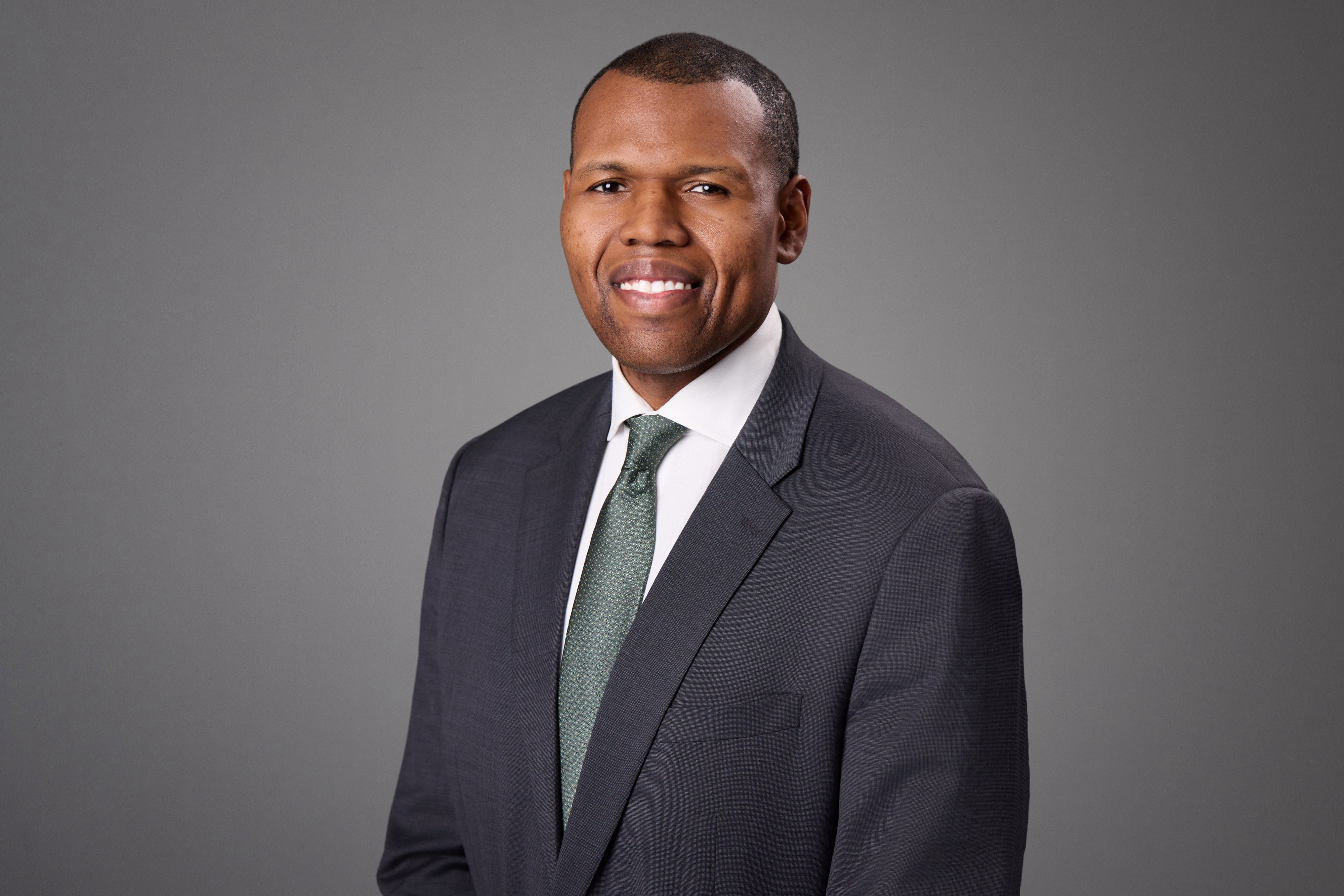
October 27, 2026 | NIL Intelligence | By Marcus Coleman, CFP®, Founder & CEO, Canaan Holdings LLC
By Marcus Coleman, CFP® · Canaan Holdings LLC · PHILADELPHIA · October 27, 2026 · 5 min read
October 27, 2026 | NIL Intelligence | By Marcus Coleman, CFP®, Founder & CEO, Canaan Holdings LLC
College athletics is experiencing a financial transformation. Athletes have new opportunities to earn compensation, universities are developing revenue-sharing programs, and brands are investing in commercial rights.
But not every institution has the financial resources to compete on equal terms. The central question for smaller athletic programs is not simply how much they can spend.
It is how they can create measurable commercial value with the resources they control.
1. Athletic Success Does Not Guarantee Financial Sustainability
An October 26, 2026 Testudo Times analysis examined the economics of 17 Maryland athletic programs outside football and men's and women's basketball. The article described the challenges for teams that often depend on institutional support, donations, and sponsorships.
For baseball, it reported approximately $2.52 million in annual expenses and $511,445 in associated revenue, an implied shortfall of about $2.01 million. These are figures reported by the publication using third-party data, not audited sport-level results independently verified by Canaan.
They should not be interpreted as the full economic contribution of the program to the university.
A sport may contribute educational opportunities, alumni engagement, institutional reputation, student recruitment, and philanthropic support without generating an operating surplus.
Those benefits matter, but they do not remove the need to understand recurring costs, dependable revenues, and the degree of institutional subsidy required.
2. Maryland Demonstrates the Value of Building a Donor Base
On July 14, 2026, Maryland Athletics reported a record fiscal-year fundraising effort: $43.7 million in total fundraising commitments and 10,366 unique donors. It said commitments rose by nearly $10 million from FY2025 and that 41 new endowments were created, with seven gifts of at least $1 million.
These are fundraising commitments, not evidence that the entire amount was collected as unrestricted operating cash during the year.
Restricted donations, endowment commitments, university SPONSORSHIP agreements, and third-party athlete NIL payments are not interchangeable sources of funding. They may carry different accounting treatment, contractual restrictions, and payment timelines.
The financial objective should be to match dependable funding sources with clearly defined obligations.
3. Smaller Programs Need a Moneyball Approach
The principle behind Moneyball is to find undervalued opportunities through disciplined analysis rather than trying to outspend competitors. Smaller college programs can apply that principle to regional commercial relationships.
A local business may value community visibility, access to a defined audience, and measurable promotions more than broad national exposure.
Consider a hypothetical program with 20 regional businesses each committing to a $5,000 annual sponsorship. That represents $100,000 of annual contracted sponsorship revenue.
If sponsorship activation and fulfillment costs equal 15%, $85,000 remains before other OPERATING EXPENSES. This is an illustrative model, not a forecast or a description of Maryland's actual agreements or results.
The important strategic idea is diversification. Twenty smaller relationships may reduce dependence on one sponsor, support recurring renewals, and develop community ties. But contracting revenue is not the same as collected cash, and commercial obligations must be priced, fulfilled, and measured.
4. Institutions and Athletes Need Distinct Commercial Strategies
A university may license institutional INTELLECTUAL PROPERTY or sell sponsorship inventory, hospitality rights, or signage. An athlete may separately license their NAME, IMAGE, AND LIKENESS or provide marketing services.
Those are different commercial rights, even when they involve the same local business.
Institutions should establish clear policies for university marks, sponsor conflicts, athlete participation, and disclosure.
Athletes and representatives should evaluate deliverables, USAGE RIGHTS, compensation timing, exclusivity, and applicable NIL reporting obligations. Brands should confirm exactly which rights they are buying and how performance will be measured.
Good commercial strategy begins by identifying the asset, the buyer, the expected economic return, and the party responsible for fulfillment.
5. Financial Infrastructure Is a Competitive Advantage
Commercial sustainability requires a reliable operating system. Programs should monitor contracted sponsorship revenue, cash actually received, renewal rates, sponsor concentration, activation costs, staffing and travel expenses, intellectual property permissions, and COMPLIANCE records.
They should also track measurable outputs: the agreed promotional deliverables, audience engagement, qualified inquiries, and sponsor retention.
More accurate financial and operational data improves resource allocation and allows institutions to present a stronger, evidence-based case to sponsors and supporters.
The Canaan Perspective
At Canaan Holdings, we believe college athletics will increasingly reward the institutions that combine financial infrastructure, commercial rights, disciplined capital allocation, and measurable value creation.
For smaller programs, advantage may come from understanding regional markets and building sustainable relationships rather than replicating the largest budgets.
For athletes, commercial opportunity extends beyond a single ENDORSEMENT. For brands, a partnership should produce specific, measurable outcomes.
For universities, success requires knowing where cash comes from, where it goes, and which rights support the transaction. Strategy follows structure.
THE TAKEAWAYS
Athletic success and financial sustainability are different measures.
Fundraising commitments are not the same as unrestricted operating cash.
Small regional sponsorships can create meaningful aggregate revenue.
University sponsorship rights and individual NIL rights require separate analysis.
Financial visibility, collections, and contractual discipline support durable programs.
What to Watch
Watch whether smaller athletic departments expand regional sponsorship programs, develop sport-specific commercial partnerships, and improve disclosure of operating economics.
Evaluate the distinction between fundraising commitments and cash received rather than assuming that headline figures finance current expenses.
SOURCES
Maryland Athletics, 'Maryland Athletics Celebrates Landmark Fundraising Year,' July 14, 2026: https://umterps.com/news/2026/7/14/terrapin-club-maryland-athletics-celebrates-landmark-fundraising-year
Testudo Times, 'Inside the economics of Maryland's non-revenue sports,' October 26, 2026: https://www.testudotimes.com/maryland-terps-sports/94436/inside-the-economics-of-marylands-non-revenue-sports
CALL TO ACTION
Athletes and families: book an Athlete Representation Consultation at https://www.canaanholdco.com/booking-calendar/athlete-representation-consultation-1
For athletes, commercial opportunity extends beyond a single ENDORSEMENT.
RELATED READING
ABOUT THE AUTHOR
Marcus Coleman, CFP® is the Founder and CEO of Canaan Holdings LLC, a Philadelphia-based holding company operating Canaan Business Advisory, Canaan Sports Management, and Canaan Family & Talent Services. STRATEGY FOLLOWS STRUCTURE. PEOPLE | OPPORTUNITY | GENERATIONAL IMPACT.
DISCLOSURE
Educational information only. Not financial, tax, or legal advice. Canaan Holdings LLC.
Illustrative sponsorship figures are hypothetical and not actual institutional results or guaranteed outcomes.


Comments