College Sports Has a Money Problem. As a Former Division I Athlete, I See a Bigger Opportunity.
CANAAN HOLDINGS LLC | COLLEGE ATHLETICS & MARKET INTELLIGENCE | OCTOBER 16, 2026
The biggest question in college athletics is no longer just how much athletes can earn. It's whether the financial systems supporting those earnings are sustainable.
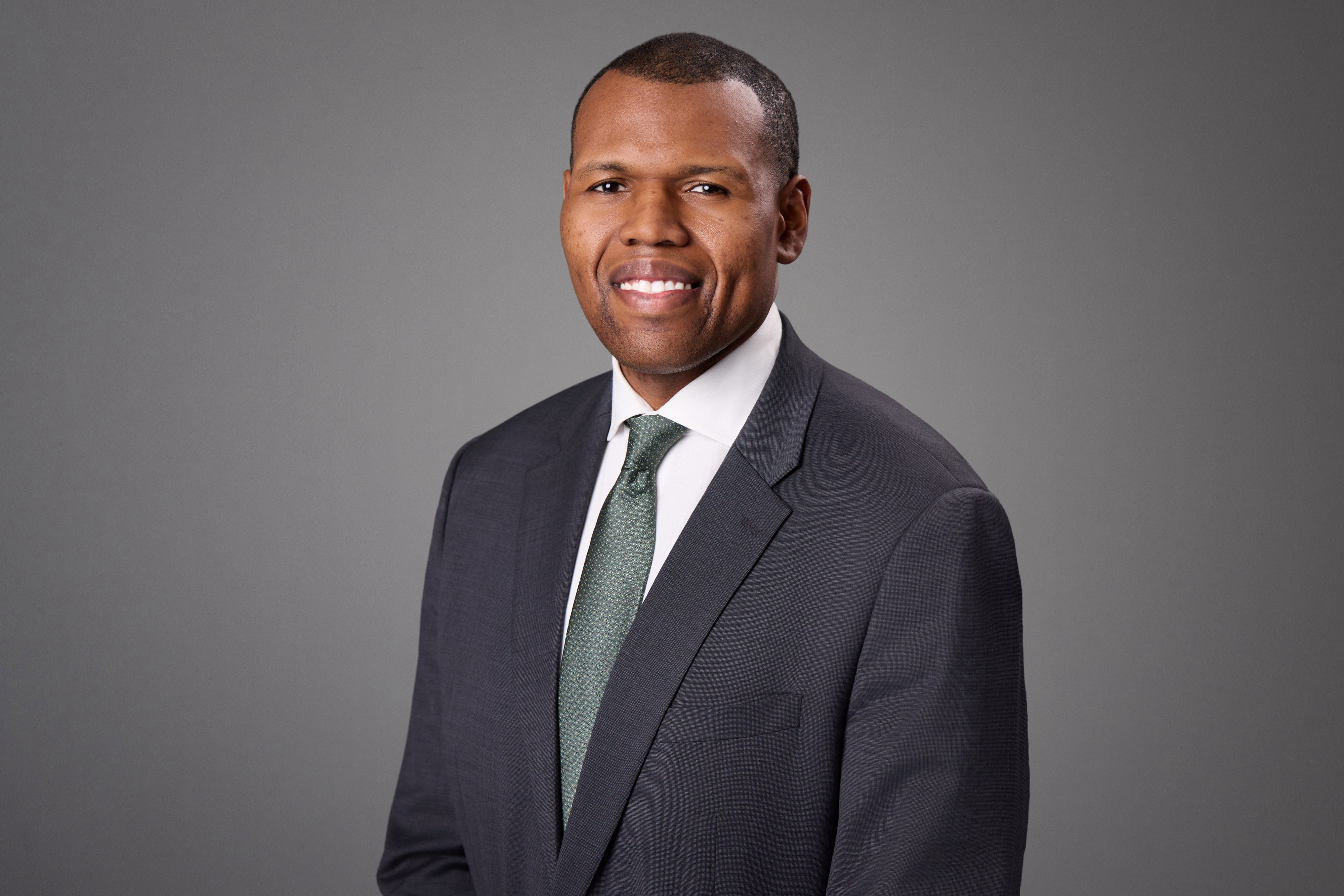
As a former Division I football player at Syracuse University, I understand the sacrifices athletes make long before compensation enters the conversation.
As a CFP® professional and founder of Canaan Holdings LLC, I now look at college athletics through another lens: capital allocation, financial sustainability, contractual risk, and long-term economic opportunity.
The October 16 NIL briefing highlights a fundamental shift. College athletics is becoming a sophisticated financial marketplace. But financial opportunity without structure creates risk.
1. Universities Are Finding New Ways to Generate Revenue
On October 15, Indiana University announced a five-year expansion of its partnership with Merchants Bank.
The agreement introduces jersey-patch sponsorships across all 24 varsity sports, alongside expanded digital, stadium, and promotional exposure. Financial terms were not disclosed. The partnership also includes continued financial education programming for athletes.
Why it matters: Universities are increasingly monetizing commercial assets to support their athletic operations. From my perspective, the opportunity extends beyond sponsorship revenue. Financial institutions and universities can also help athletes develop financial literacy while they are building their earning potential.
2. Revenue Sharing Is Creating Financial Pressure
Boise State's athletic department received approval for a deficit spending plan of up to $18 million, with athlete compensation and conference-related expenses contributing to its financial pressures.
This is where my background in finance becomes particularly relevant. A university can increase its compensation budget without necessarily increasing its recurring revenue at the same rate. The same principle applies to any business.
Growth without sustainable cash flow creates financial vulnerability.
Athletic departments must evaluate compensation commitments alongside operating expenses, reserves, sponsorships, and long-term funding sources.
3. Spending More Does Not Guarantee Better Results
BYU provides another perspective. Reporting from Front Office Sports estimates BYU's football roster budget at approximately $20 million to $25 million, compared with an estimated $38 million to $42 million for Texas Tech. These are third-party estimates, not audited financial disclosures.
As a former defensive lineman, I understand that building a successful team involves more than acquiring talent. Coaching, development, culture, and execution matter. As a capital allocator, I apply a similar principle to business.
The objective is not simply to deploy more capital. It is to allocate resources effectively and create sustainable value.
That principle is increasingly relevant to roster construction and athlete compensation.
4. Athlete Contracts Are Becoming Financial Instruments
The Senate-approved Protect College Sports Act could significantly change college athletics. Among its proposed provisions are new national standards governing athlete compensation, representation, eligibility, transfers, and protections. The legislation remains pending. It is not enacted federal law.
For athletes and families, the important questions extend beyond the headline value of an agreement.
When will compensation actually be paid?
What happens if an athlete transfers?
What contractual obligations remain?
How are agent fees calculated?
What happens if eligibility changes?
How much compensation remains after taxes and expenses?
These are financial decisions with potentially long-lasting consequences. A large contract is not the same thing as long-term financial security.
5. The Next Opportunity Is Financial Infrastructure
The growth of NIL and institutional revenue sharing is creating demand for better financial systems.
Athletes need to understand their contracts, track payments, prepare for taxes, and manage financial risk. Universities need sustainable budgets, reliable reporting, and effective compliance procedures. Agents need disciplined contract administration and transparent compensation practices.
The College Sports Commission and NIL Go clearinghouse add another dimension: third-party NIL agreements may require disclosure and review, while institutional revenue sharing operates through a separate compensation channel.
The next competitive advantage may not come from negotiating the largest agreement. It may come from helping athletes understand, manage, and protect the economic opportunities they create.
The Canaan Perspective
My experience as a Division I athlete taught me the importance of preparation, discipline, and teamwork. My experience in financial services reinforced another principle: Strategy Follows Structure.
At Canaan Holdings LLC, our vision connects athlete representation, business advisory, financial education, and long-term enterprise development.
We believe athletes should be equipped to think beyond their playing careers and understand the economic value of their skills, relationships, and personal brands.
College athletics is evolving. The organizations that combine opportunity with accountability, sound financial management, and effective representation will be better positioned to navigate that change.
The goal should not be to help athletes earn money only while they play. It should be to help them develop the knowledge and structure to make informed decisions long after the game ends.
PEOPLE | OPPORTUNITY | GENERATIONAL IMPACT
STRATEGY FOLLOWS STRUCTURE.
References & Further Reading
Indiana University Athletics (October 15, 2026): https://iuhoosiers.com/news/2026/10/15/general-indiana-athletics-expands-partnership-with-merchants-bank-through-first-ever-integrated-jersey-patch-program
Idaho Education News (October 14, 2026): https://www.idahoednews.org/top-news/state-board-oks-deficit-spending-for-boise-state-sports/
Front Office Sports (October 15, 2026): https://frontofficesports.com/article/byu-outperforms-budget-notre-dame-showdown/
Ballard Spahr (October 15, 2026): https://www.ballardspahr.com/insights/alerts-and-articles/2026/10/senate-passes-protect-college-sports-act-teeing-up-federal-rules-for-nil-eligibility-and-transfers
U.S. Senate Commerce Committee (August 4, 2026): https://www.commerce.senate.gov/press/rep/release/committee-releases-revised-protect-college-sports-act/
BYU Athletics: https://byucougars.com/rev-share
Disclosure: Research current through October 16, 2026. Educational and industry analysis only. Not intended as legal, tax, or investment advice.


Comments