One Court Order Can Change an Athlete’s Financial Future
THE COST OF ONE MORE SEASON.
October 21, 2026 | Founder’s Perspective | College Athletics & NIL
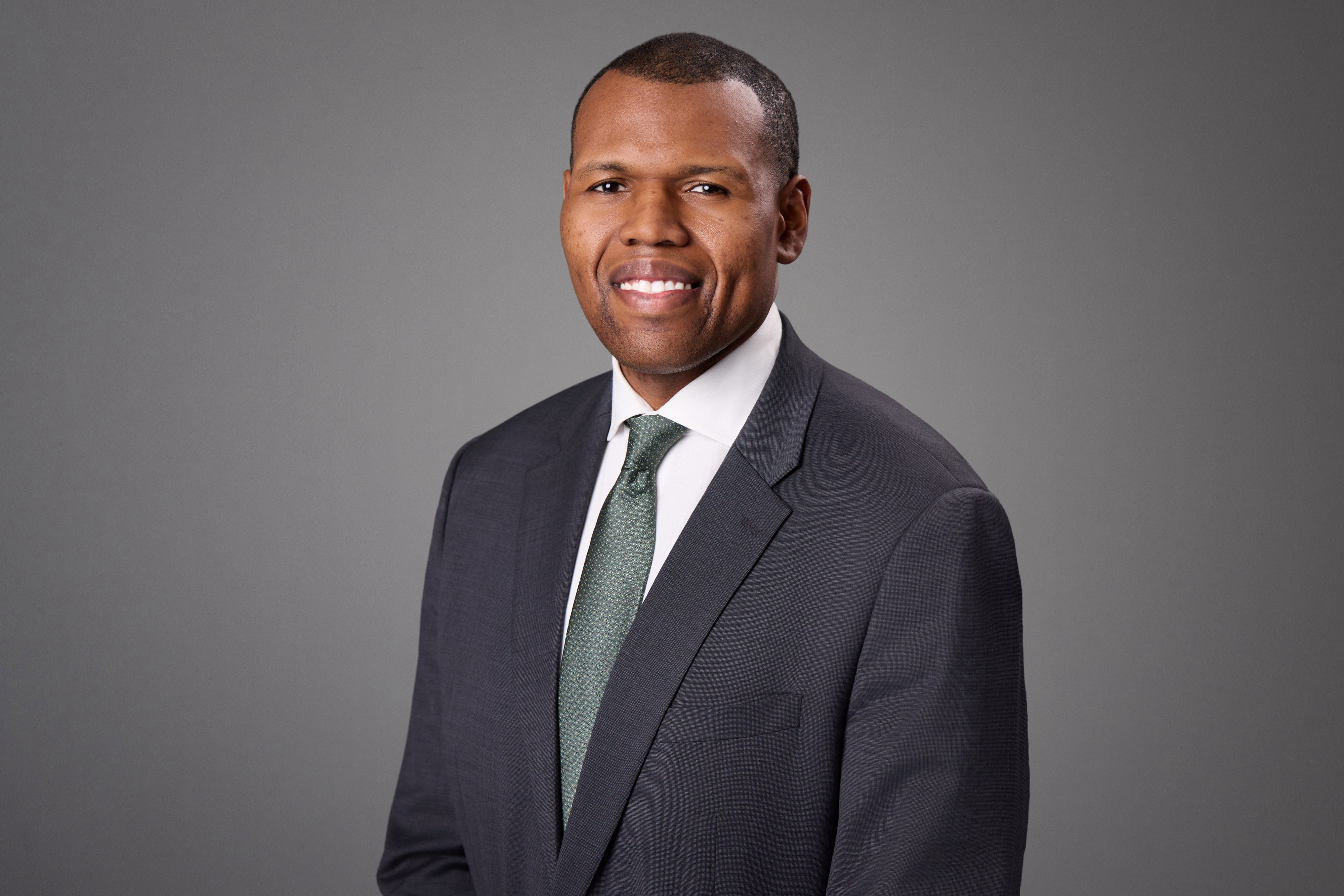
Marcus Coleman, CFP® | Founder & CEO, Canaan Holdings LLC | Former Syracuse University Division I Football Player
One more season can mean another scholarship year, additional endorsement opportunities, and more time to prepare for life beyond sports. But what happens when an athlete's ability to compete depends on a court ruling that can still be appealed?
As a former Division I football player at Syracuse University, I know how much opportunity can depend on eligibility. As a CFP® professional, I see the other side: a single eligibility decision can change a family's financial assumptions overnight.
In today's college sports economy, eligibility isn't just a competitive question. It's a financial risk that athletes, families, agents, and universities must manage.
1. A California Ruling Shows How Quickly the Economics Can Change
On October 20, a Santa Clara County Superior Court judge granted preliminary injunctive relief in Glancey v. NCAA, according to reporting by the Deseret News and On3. More than 70 athlete plaintiffs, many associated with the 2022 entering class, challenged their exclusion from the NCAA's newer five-seasons-in-five-years eligibility framework. Reported beneficiaries include BYU basketball player Jaxon Kohler and St. John's player Reed Bailey.
The distinction matters: a preliminary injunction is not a final judgment that permanently establishes eligibility. It allows covered athletes to compete while the litigation proceeds, subject to any later stay, appeal, or final ruling. Reporting indicates the NCAA intends to appeal; an actual appellate order was not independently verified at this writing.
For an athlete, the financial implications can be substantial. A fifth season may affect school support, a transfer decision, earning potential, housing, insurance, and the timing of a professional career. For an athletics department, it can change scholarship commitments, roster budgets, and agreements already negotiated.
My takeaway: An eligibility-dependent compensation package needs a contingency plan. Agreements should distinguish guaranteed payments from payments contingent on participation, clearly allocate repayment risk, and address what happens if a court changes the athlete's eligibility midseason.
2. NIL Value Must Be Earned Through Real Commercial Activity
On October 20, World's Finest Chocolate announced an NIL agreement with Indiana women's basketball player Malia Samuels, making her the brand's first female collegiate NIL partner. Samuels had previously sold the company's chocolates to help fund her youth basketball journey. The company did not disclose financial terms.
That personal connection is more than a compelling story. It gives a sponsor a credible reason to work with an athlete and gives the athlete a platform that extends beyond statistics or social-media reach.
It also illustrates why contracts must be commercially specific. An endorsement's advertised value is not necessarily an athlete's realized cash flow. Deliverables, approval rights, usage periods, exclusivity, payment schedules, and termination provisions all affect the outcome.
The College Sports Commission's September NIL Go report showed 12,283 agreements totaling $227.25 million cleared during July and August 2026. Those are cleared contract values, not evidence that every dollar was paid to athletes. Reviews involving associated entities emphasize legitimate business purpose and fair-market-value support.
My takeaway: Representation should focus on documented value creation, defensible contract terms, and reliable collection of money actually owed, not simply announcing the biggest number.
3. The Same Financial Discipline Applies to Universities
Incoming Iowa State athletic director Jared Benko has emphasized revenue generation, fiscal responsibility, and integrated commercial strategy. Iowa State announced his appointment October 16, with a planned October 30 start subject to approval. His prior Auburn responsibilities included a 10-year multimedia-rights agreement projected to exceed $230 million. That figure describes Auburn's agreement, not Iowa State's revenue.
Universities are navigating a structural shift. In its October 1 reporting, the College Sports Commission said schools distributed approximately $1.77 billion in direct revenue-sharing payments during the 2025–26 academic year. The institutional annual cap rose to about $21.58 million for 2026–27.
Those numbers describe a developing market, not a guarantee of profitability. High revenue, on its own, says little about operating cash flow, capital expenditures, debt service, or institutional subsidies.
At Syracuse, I experienced college athletics from the player's side. Today, I believe we need to ask tougher questions on the institutional side: Which athletic departments can sustainably finance their commitments, and which are relying on support from the broader university?
My takeaway: Responsible athlete compensation and responsible university financial management should reinforce each other. They should not be treated as competing objectives.
4. Tax and Contract Details Determine What Athletes Keep
Athlete compensation can arrive through institutional revenue sharing, promotional services, merchandise, or licensing arrangements. The IRS explains that NIL income may be taxable in cash or noncash form and that classification depends on the facts, including whether an athlete provides active services or licenses rights.
For qualifying nonemployee service payments made in 2026, the Form 1099-NEC payer reporting threshold is $2,000. This is not a tax-free allowance for athletes. Income can be reportable even when no Form 1099 is issued.
The SEC's October 12 adoption of a standardized, customizable NIL and revenue-sharing contract framework is another reminder that paperwork is catching up with the marketplace. Standardization does not replace individualized review, especially when transfers, arbitration, repayment, or eligibility contingencies are involved.
My practical checklist for athletes and families is straightforward:
Know the net: Reconcile gross contract value, fees, tax reserves, and actual payment dates.
Know the triggers: Understand what happens after a transfer, injury, eligibility change, or terminated sponsorship.
Keep evidence: Preserve executed agreements, commercial deliverables, invoices, approvals, and receipts.
Use qualified counsel: Have sports counsel and a tax professional review material agreements and multistate tax questions.
5. Policy Is Moving, but Proposals Are Not Law
The Senate passed the Protect College Sports Act on September 28, 2026. The Senate-passed bill proposes athlete protections, more uniform rules, and a 5% cap on certain endorsement-agent fees. As of this article's research cutoff, the proposal had not been enacted into federal law.
That distinction is essential. An agency evaluating its future economics should model possible fee restrictions, but it should not describe a proposed federal ceiling as an existing nationwide requirement.
The compliance environment is also evolving. October reporting described College Sports Commission inquiries at several Power Four programs into possible NIL and revenue-sharing rule violations. An inquiry is not a finding of wrongdoing, and no new final enforcement decision is asserted here.
My takeaway: Agents and institutions should prepare for stricter documentation and oversight without making assumptions about the outcome of pending legislation, litigation, or investigations.
The Canaan Perspective: Opportunity Needs Structure
I support college athletes having the opportunity to participate in the economic value they help create. I also believe that compensation needs a durable foundation: sound contracts, tax planning, payment controls, credible commercial activity, and sustainable institutional finances.
Through Canaan Holdings LLC, our approach to sports management and business advisory is grounded in that principle. The objective is not merely to help athletes earn more. It is to help build the systems that protect what they earn and support the organizations paying them.
One favorable court order may extend an athlete's season. Only disciplined planning can help turn an uncertain opportunity into a lasting financial outcome.
STRATEGY FOLLOWS STRUCTURE.
PEOPLE | OPPORTUNITY | GENERATIONAL IMPACT
What to Watch
California eligibility litigation: Whether the NCAA appeals Glancey and whether any appellate stay changes the practical effect of the preliminary injunction.
Contract standards: How schools implement standardized athlete agreements and treat eligibility and transfer contingencies.
NIL Go and enforcement: New clearinghouse data, completed review decisions, and substantiated enforcement findings, if any.
Federal legislation: Whether the House advances or changes the Protect College Sports Act, including its proposed agent-fee provisions.
Athletics economics: Revenue-sharing commitments compared with disclosed departmental cash flow and support from universities.
Sources & Further Reading
Deseret News, Oct. 20: Jaxon Kohler receives injunction, will remain eligible for BYU
On3, Oct. 21: Judge grants preliminary injunction in eligibility dispute
World's Finest Chocolate, Oct. 20: Malia Samuels NIL partnership announcement
Iowa State Athletics, Oct. 16: Jared Benko named director of athletics
U.S. Senate, Sept. 28: Protect College Sports Act passes Senate
Congressional Record, Sept. 28: Senate-passed bill text and proposed agent-fee provision
Research cutoff: October 21, 2026, approximately 11:00 a.m. Eastern. This is the author's analysis for educational purposes, not individualized financial, legal, tax, or investment advice. Court reporting does not substitute for docket review; legal developments remain subject to appeal and further proceedings.


Comments