College Athletes Are Chasing Bigger Opportunities. But Who's Protecting Their Future?
October 19, 2026 | College Athletics & NIL | Market Intelligence
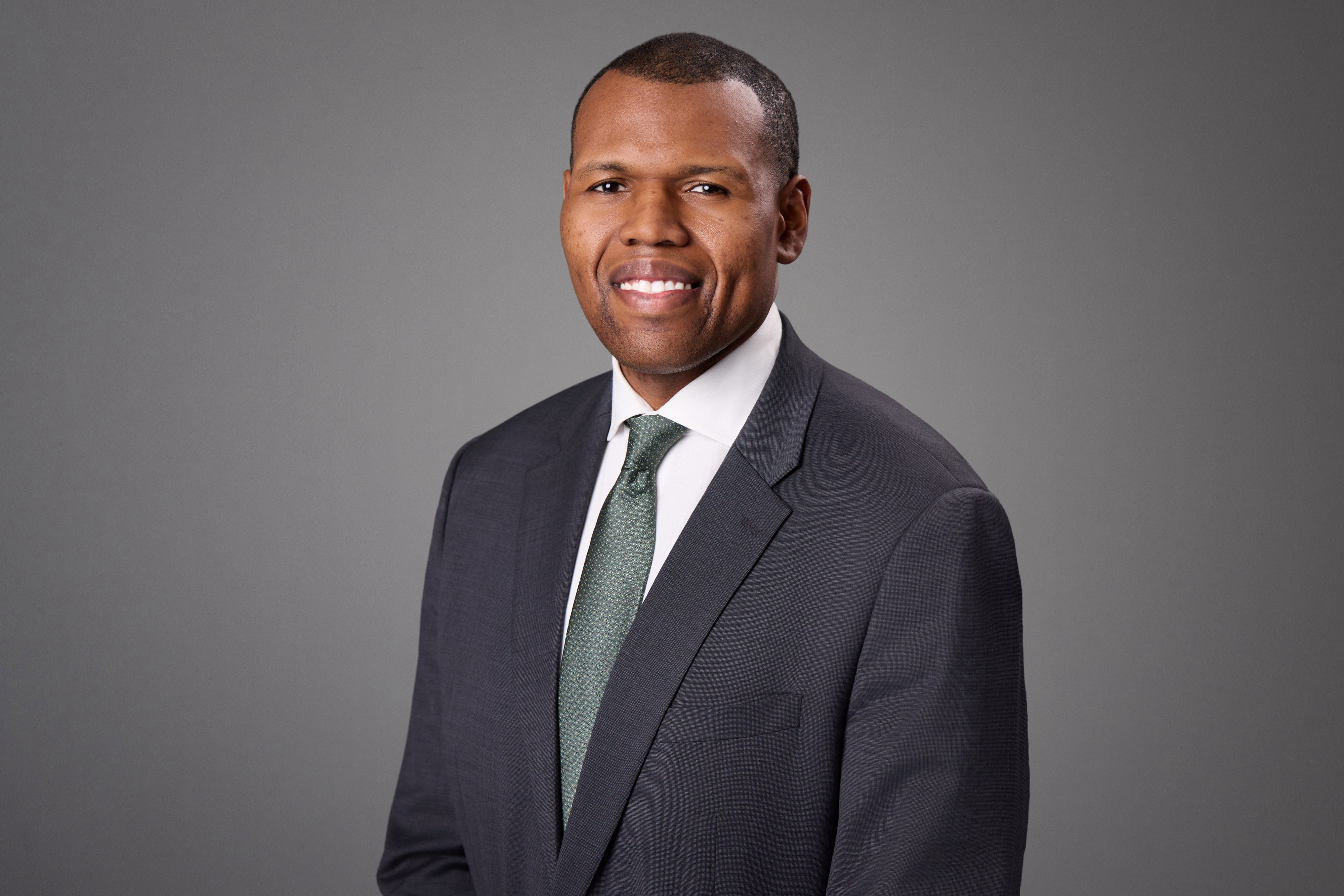
By Marcus Coleman, CFP® | Founder & CEO, Canaan Holdings LLC | Former Division I Football Player, Syracuse University
As a former Division I football player at Syracuse University, I understand how much athletes sacrifice to compete at the highest level.
Today, as a CFP® professional and founder of Canaan Holdings LLC, I see another side of college athletics.
Athlete compensation is growing, financial complexity is increasing, and the infrastructure supporting these decisions is still evolving.
1. One University. Five Starters. A Changing Business.
On October 19, CT Insider reported that Quinnipiac men's basketball is preparing for a new season without any of its five starters from last year.
Four transferred to other universities.
The fifth, Asim Jones, remains enrolled but faces uncertainty about his eligibility to compete.
Among those who transferred was Amarri Monroe, who joined Syracuse University.
For Quinnipiac, the challenge extends beyond replacing basketball talent.
It's about competing in a market where athletes have more choices and universities have vastly different financial resources.
THE FINANCIAL REALITY:
Athletes can pursue new compensation opportunities.
Universities must make difficult roster investments.
Transfers can create financial and developmental trade-offs.
Eligibility uncertainty can disrupt decisions for everyone involved.
My perspective: College athletics is increasingly operating like a competitive labor market, even though its legal and regulatory framework remains distinct from traditional professional employment.
That requires a different approach to recruiting, retention, and financial planning.
2. The Biggest Offer Isn't Always the Best Opportunity
One detail from the Quinnipiac story stood out to me.
Coach Tom Pecora described Asim Jones as a player who had an opportunity to leave for more money but chose to remain and continue developing.
Pecora suggested Jones could eventually command more than $1 million.
That figure is the coach's projection, not a verified contract or independent valuation.
But the underlying decision raises an important question:
Should an athlete maximize compensation today or position themselves for greater opportunities tomorrow?
I faced a different college athletics environment when I played at Syracuse.
We didn't have today's NIL market or institutional revenue-sharing system.
But choosing the right environment, building relationships, developing skills, and preparing for life after football still mattered.
Those principles haven't changed.
Before transferring, I believe athletes should evaluate five factors:
Compensation: What is guaranteed, and when will it be paid?
Development: Will the new environment improve their abilities and opportunities?
Opportunity: What role can they realistically expect?
Eligibility: Are there unresolved academic, regulatory, or legal risks?
Long-term value: How does the decision affect their future beyond college sports?
The takeaway: The highest offer isn't necessarily the opportunity with the greatest long-term value.
3. Eligibility Is Now a Financial Risk
The NCAA's eligibility rules remain the subject of significant litigation.
On October 16, the NCAA filed a federal lawsuit challenging an Ohio executive order concerning additional eligibility for certain college athletes.
The Ohio Supreme Court also requested supplemental briefing by October 19 in related litigation.
These disputes remain unresolved.
And that uncertainty has financial consequences.
An additional season could create opportunities for:
Institutional revenue-sharing compensation.
Third-party NIL agreements.
Scholarship benefits.
Additional athletic and professional development.
But athletes cannot responsibly plan around compensation that depends on eligibility they have not secured.
My perspective: Eligibility should be evaluated as both an athletic and financial consideration.
Athletes need to understand how their contracts address eligibility changes, transfer decisions, termination rights, and payment obligations.
Representation should help athletes navigate those risks, with appropriate legal counsel.
4. College Sports Has a Capital Allocation Problem
The College Sports Commission reported approximately $1.77 billion in direct institutional revenue-sharing payments during the 2025–26 academic year.
Those payments reached nearly 35,000 athletes across more than 300 institutions.
The annual institutional compensation cap increased to approximately $21.58 million for 2026–27.
These figures demonstrate the scale of the financial transformation.
But they also expose a fundamental challenge.
Not every university has the same financial capacity.
Some athletic departments can commit substantial resources to acquiring and retaining talent.
Others must compete through development, culture, coaching, and disciplined resource allocation.
And spending more doesn't automatically produce better results.
As a financial professional, I evaluate the distinction between:
REVENUE. PROFITABILITY. CASH FLOW. RETURN ON INVESTMENT.
These concepts matter in business.
They also matter in college athletics.
My perspective: Universities should approach athlete compensation with the same financial discipline expected of any organization managing significant recurring commitments.
Growth without structure creates risk.
5. Bigger Contracts Require Better Protection
The SEC recently joined the Big Ten in moving toward standardized athlete compensation agreements.
That development reflects a broader reality.
Athlete contracts are becoming increasingly important financial documents.
An agreement may include payment schedules, licensing rights, commercial deliverables, transfer-related provisions, and termination conditions.
Athletes need to know what they're signing.
They also need to understand what they will actually retain after applicable taxes, fees, and expenses.
NIL income can create tax obligations, including for qualifying noncash compensation.
And the College Sports Commission's NIL Go process introduces additional reporting and review considerations for covered third-party agreements.
Separately, Congress is considering legislation that could change representation rules and athlete protections.
Proposed federal legislation is not enacted law.
My perspective: Athletes should never confuse a contract's advertised value with guaranteed, after-tax financial security.
The quality of the agreement matters.
So does the quality of the guidance surrounding it.
6. The Real Opportunity Is Bigger Than NIL
When I look at today's college athletics market, I don't just see larger contracts.
I see a growing need for financial education, coordinated representation, responsible business practices, and better recordkeeping.
Athletes are making decisions that can affect their financial futures long after their final college game.
Universities are managing new financial obligations.
Families are navigating unfamiliar contractual and regulatory issues.
Agents and advisors are operating in a rapidly changing environment.
These challenges cannot be solved by compensation alone.
They require structure.
That belief is central to why I founded Canaan Holdings LLC.
Through Canaan Sports Management, Canaan Business Advisory, and Canaan Family & Talent Services, we're building complementary businesses intended to support people navigating increasingly complex professional and financial opportunities.
Our philosophy is straightforward:
Strategy Follows Structure.
The Canaan Perspective
Football taught me that talent alone isn't enough.
Preparation matters.
Discipline matters.
The people surrounding you matter.
My career in financial services reinforced those lessons.
As college sports evolves, I believe athletes deserve more than access to compensation.
They deserve the opportunity to understand it, protect it, and make informed decisions about what comes next.
Universities need sustainable financial models.
Representation firms need accountability.
And athletes need guidance that considers the person beyond the player.
The future of college athletics won't be defined solely by how much athletes earn.
It will also be defined by how effectively those opportunities are managed and converted into lasting economic value.
That's the opportunity I see.
And that's the future we're working toward at Canaan Holdings LLC.
PEOPLE | OPPORTUNITY | GENERATIONAL IMPACT
STRATEGY FOLLOWS STRUCTURE.
What to Watch Next
Eligibility litigation: How pending court decisions affect athlete participation and compensation.
Transfer economics: Whether increasing financial competition accelerates roster turnover.
Revenue sharing: How universities manage compensation commitments and financial sustainability.
Athlete contracts: The development of standardized agreements and stronger contractual protections.
Federal legislation: Potential changes to athlete representation, compensation oversight, and transfer rules.
Sources & Further Reading
CT Insider, October 19, 2026: Quinnipiac Men's Basketball Coach Tom Pecora Faces a Major Roster Reset. Here's Why.
Syracuse University Athletics: Amarri Monroe, Men's Basketball Roster.
NCAA, October 16, 2026: NCAA President Charlie Baker Announces Legal Filing in Ohio Federal Court.
Associated Press, October 1, 2026: In First Year of NIL Payouts, 68 Schools Hit or Came Very Close to $20.5M Revenue-Sharing Limit.
CBS Sports, October 12, 2026: SEC Adopts Standardized NIL Contracts in Latest Step Toward Self-Governance.
Disclosure: Research current through October 19, 2026. This article reflects the author's perspective and is provided for educational and industry analysis purposes only. It does not constitute individualized legal, tax, financial, or investment advice.


Comments