College Sports Is Becoming Big Business. Are Athletes and Universities Financially Prepared?
Updated: 8 hours ago
BIGGER OPPORTUNITIES. HIGHER STAKES. A MORE COMPLEX GAME.
October 20, 2026 | Founder’s Perspective | College Athletics & NIL
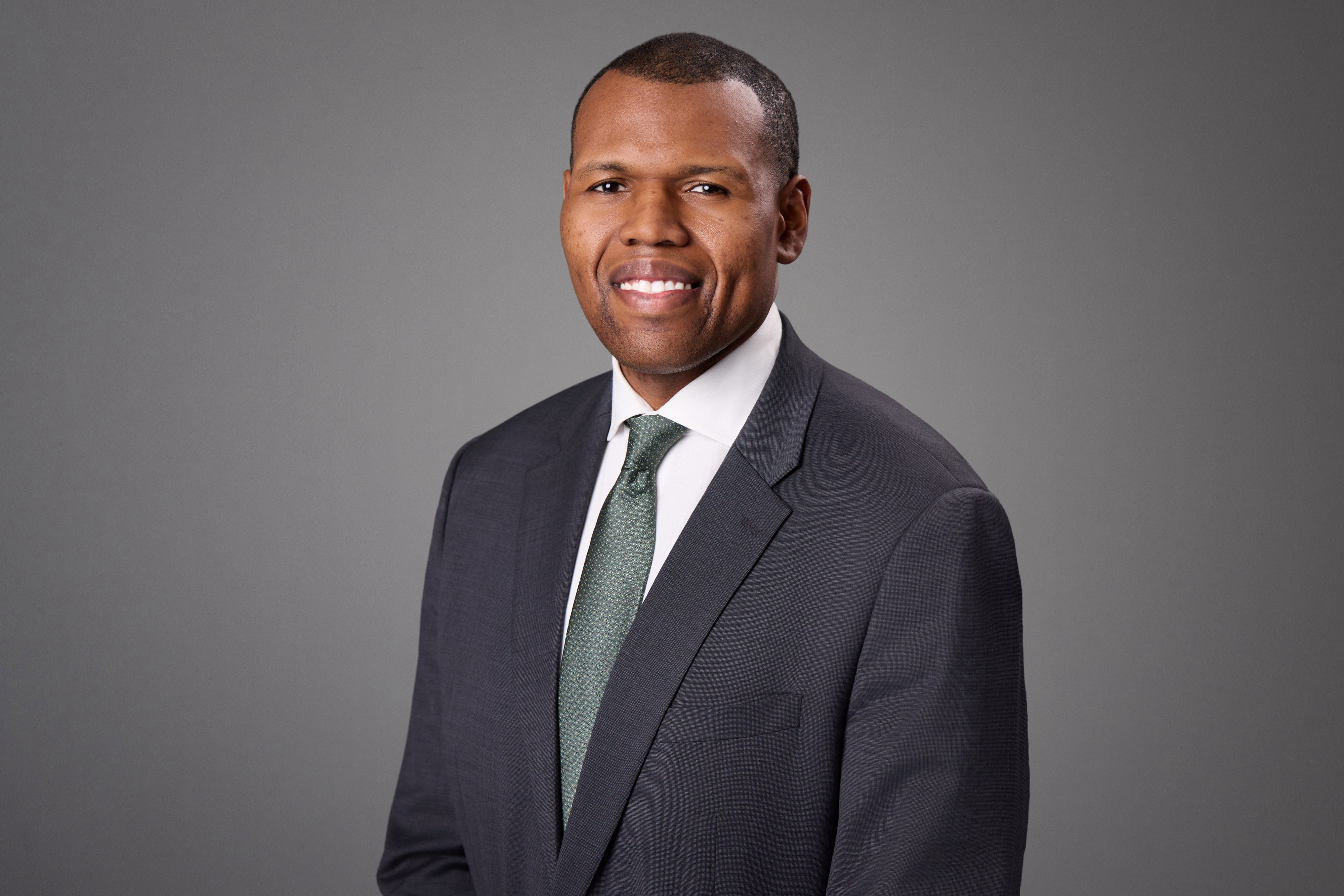
Marcus Coleman, CFP® | Founder & CEO, Canaan Holdings LLC | Former Syracuse University Division I Football Player
College athletics is creating extraordinary financial opportunities. But opportunity without structure creates risk.
As a former Division I football player at Syracuse University, I understand what it means to compete, sacrifice, and prepare for life beyond the field. As a CFP® professional, I also understand that generating income and building lasting financial security are two different things.
Athletes are negotiating endorsements, evaluating compensation packages, and making decisions with financial consequences. Universities are managing new compensation obligations while facing growing operating costs and competitive pressure.
The question is no longer simply how much money college sports can generate. It is whether athletes and universities have the infrastructure to manage it responsibly.
1. NIL Is Becoming More Than a Popularity Contest
On October 20, World's Finest Chocolate announced a partnership with Indiana women's basketball player Malia Samuels through its Let Them Reign campaign. The company did not disclose the financial terms.
The compelling detail is her history with the brand: Samuels sold its chocolate as a child to help fund her travel basketball experience. Her endorsement now connects a genuine personal story with the company's product and audience.
Authentic commercial alignment can create value beyond athletic statistics and follower counts.
Athletes and agents should evaluate brand fit, guaranteed compensation, performance deliverables, intellectual-property rights, exclusivity, payment timing, and termination terms. An attractive headline number means little without a clear understanding of the obligations behind it.
Founder’s takeaway: The strongest NIL partnerships create measurable value for both the athlete and the sponsoring business.
2. Athletic Departments Need Revenue Growth and Financial Discipline
On October 20, new reporting highlighted incoming Iowa State athletic director Jared Benko's emphasis on revenue generation and responsible financial management. Iowa State announced his appointment on October 16, with an anticipated October 30 start, subject to approval.
At Auburn, Benko worked in an athletics operation with a reported $228 million budget and helped secure a 10-year multimedia-rights agreement projected to exceed $230 million. Those are Auburn figures, not Iowa State financial results.
The College Sports Commission previously reported approximately $1.77 billion in direct institutional revenue-sharing payments for the 2025–26 academic year. The 2026–27 annual institutional cap is approximately $21.58 million. These are existing reporting figures, not new October 20 announcements.
Revenue growth does not automatically equal financial sustainability.
Athletic departments must manage compensation, staffing, facilities, debt service, media rights, sponsorships, and cash reserves. Financial performance should be evaluated through operating results, liquidity, and long-term commitments, not simply wins, losses, or gross revenue.
Founder’s takeaway: The next competitive advantage in college sports may be financial discipline, not just spending power.
3. Bigger Contracts Require Better Financial Protection
The SEC's reported October 12 adoption of a standardized, customizable NIL and revenue-sharing agreement framework signals a more formal contracting environment. But standardization does not eliminate the need to review individual terms.
Athletes need to understand what is guaranteed, when they are paid, how eligibility affects compensation, what happens after a transfer, and whether repayment, arbitration, or termination clauses apply.
The NCAA's October litigation challenging an Ohio executive order on fifth-year eligibility also underscores how unresolved eligibility questions can affect economic opportunities. A legal allegation is not a judicial finding, and anticipated future compensation is not the same as an enforceable payment obligation.
Founder’s takeaway: Every significant athlete agreement deserves coordinated review by qualified sports counsel and appropriate financial and tax professionals.
4. Taxes Can Change the Economics of NIL
The IRS makes clear that NIL income may be taxable whether an athlete receives cash, merchandise, or services. The applicable tax treatment depends on the facts, including whether compensation is employment income, payment for services, or licensing royalties.
For 2026, the Form 1099-NEC reporting threshold for qualifying nonemployee compensation is $2,000. That is a payer reporting threshold, not a tax-free allowance. Athletes can owe tax on income even if no form is issued.
A contract's advertised value is not its after-tax economic benefit. Athletes should reconcile actual payments, noncash benefits, agency commissions, deductible expenses, tax reserves, and possible multistate obligations with a qualified CPA.
Founder’s takeaway: Tax planning should begin before a major contract is signed, not after the income arrives.
5. Proposed Federal Legislation Could Reshape Representation
The Senate passed the Protect College Sports Act on September 28, 2026. The proposal includes athlete protections and changes concerning eligibility, transfers, compensation, and representation. It has not become federal law.
One proposed provision would limit certain endorsement-agent fees to 5%. On a hypothetical $100,000 endorsement, a 15% commission generates $15,000 of gross agency revenue; a 5% commission generates $5,000. That is a 66.7% reduction if the proposed cap becomes law and applies to the agreement.
Agencies should assess the cost of client acquisition, service delivery, contract oversight, and compliance rather than assume current pricing models will remain viable. Proposed restrictions must not be treated as existing legal obligations.
Founder’s takeaway: Sustainable representation requires transparent pricing, genuine client value, and an adaptable operating model.
6. The Bigger Opportunity Is Financial Infrastructure
When I played football at Syracuse, the college athletics business was different. Athletes did not face today's NIL marketplace or institutional revenue-sharing decisions. But the underlying challenge remains familiar: How do you turn opportunity into lasting value?
Athletes need education and appropriate representation. Universities need disciplined financial management. Brands need commercially legitimate partnerships. Families need clarity on complex contracts and financial choices.
Through Canaan Holdings LLC, we are building complementary capabilities in sports management, business advisory, and family and talent services to address those needs responsibly.
I believe college athletes deserve to benefit from the value they create. I also believe that athlete compensation and university financial sustainability should reinforce each other rather than compete.
The future of college athletics will not be determined solely by who spends the most. It will also depend on who builds the strongest financial, contractual, and operational foundation.
STRATEGY FOLLOWS STRUCTURE.
PEOPLE | OPPORTUNITY | GENERATIONAL IMPACT
Sources and Further Reading
World's Finest Chocolate, October 20, 2026: announcement of the Malia Samuels Let Them Reign NIL partnership.
Iowa State Athletics, October 16, 2026: Jared Benko named director of athletics.
Wide Right & Natty Lite, October 20, 2026: coverage of Benko's introductory remarks.
CBS Sports, October 12, 2026: SEC standardized NIL and revenue-sharing agreements.
NCAA, October 16, 2026: federal challenge to Ohio fifth-year eligibility executive order.
Husch Blackwell, October 2, 2026: analysis of the Protect College Sports Act.
Internal Revenue Service: Name, Image and Likeness income guidance.
College Sports Commission: previously reported 2025–26 revenue-sharing and NIL Go information.
Disclosure: This article reflects information available through October 20, 2026. It is educational commentary, not individualized legal, tax, financial, or investment advice. The author’s views are his own.


Comments