Sports Are Becoming Institutional Businesses
Updated: 2 days ago
NIL INTELLIGENCE
The Future of Sports Investing: Nine Lessons from Goldman Sachs' Playing for Scale
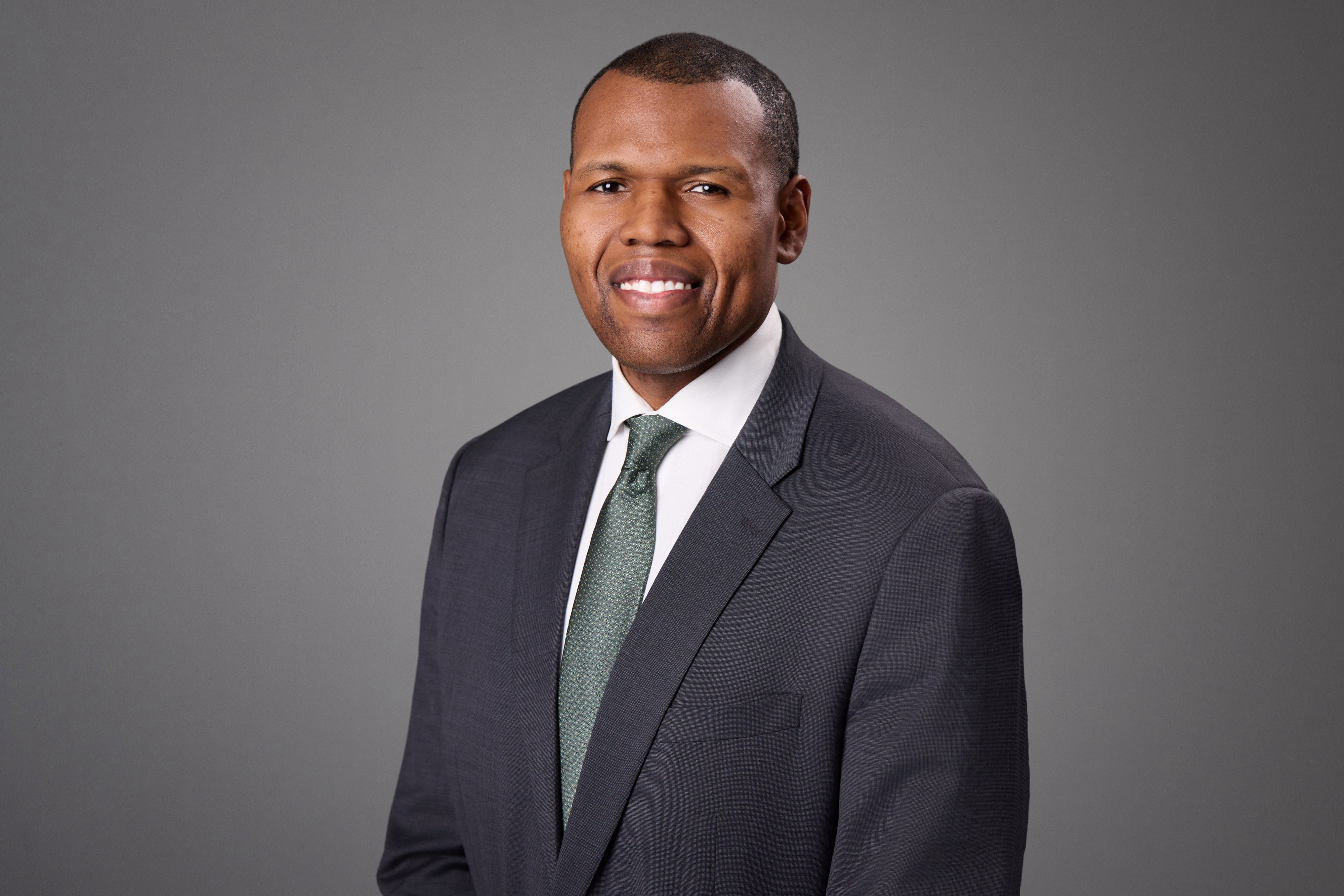
By Marcus Coleman, CFP® · Canaan Holdings LLC · PHILADELPHIA · November 4, 2026 · 7 min read
The Future of Sports Investing: Nine Lessons from Goldman Sachs' Playing for Scale
HOOK | THE QUESTION BEHIND THE NUMBERS
WHAT IF THE BIGGEST OPPORTUNITY IN SPORTS IS NOT OWNING THE TEAM, BUT BUILDING THE BUSINESS BEHIND IT?
Professional sports are moving into a new phase of INSTITUTIONAL CAPITAL, BIGGER MEDIA CONTRACTS, YEAR-ROUND FAN ENGAGEMENT and increasingly complex ownership structures.
Goldman Sachs Private Wealth Management's 2026 report, Playing for Scale: The Future of Sports Investing, shows why the economics of sports are expanding and why strong FINANCIAL STRUCTURE matters more than ever.
For Canaan Holdings LLC, the central lesson is clear: GROWTH CREATES OPPORTUNITY. STRUCTURE CREATES DURABILITY.
WHY IT MATTERS | A $602 BILLION GLOBAL MARKET
Goldman Sachs cites a projection that the broader sports economy will reach $602 BILLION BY 2030, up 44% from 2025.
That figure encompasses multiple sports-related activities. It is not a forecast for franchise revenue or the addressable market of a single sports agency.
THE TAKEAWAY: Attractive industry growth does not replace due diligence on revenue quality, cash flow, investment returns and risk.
KEY FACTS | NINE FINDINGS FROM THE REPORT
01 | MEDIA RIGHTS ARE CHANGING THE ECONOMICS
The report's media chart shows global sports rights values rising from $41.1 BILLION IN 2020 to an estimated $66.4 BILLION IN 2026.
STREAMING platforms hold approximately 20% of sports media rights, up from 8% in 2021. The report also documents major increases in several renegotiated media contracts.
But the same chart projects rights values of $64.1 BILLION IN 2027, demonstrating that growth is not linear.
THE TAKEAWAY: Sustainable valuations require durable rights contracts, reliable distributions and realistic renewal assumptions.
Source: Goldman Sachs, report pp. 5–6.
02 | PRIVATE EQUITY IS PROFESSIONALIZING SPORTS
Sports PRIVATE EQUITY deal activity climbed from 50 DEALS IN 2018 TO 192 IN 2025, an increase of 284%.
Institutional ownership creates access to capital but also raises expectations for GOVERNANCE, TRANSPARENCY and OPERATIONAL PERFORMANCE.
Investors still face constraints on ownership rights, transferability, leverage and exit liquidity.
THE TAKEAWAY: More institutional capital does not guarantee liquidity or positive returns.
Source: report pp. 7–8.
03 | MULTI-CLUB OWNERSHIP IS A PLATFORM STRATEGY
The number of clubs participating in MULTI-CLUB OWNERSHIP groups grew from FEWER THAN 60 IN 2014 TO MORE THAN 340 IN 2024, according to the report.
Shared technology, analytics, partnerships, content studios and other services can provide efficiencies across portfolios.
But common ownership alone does not create synergies.
THE TAKEAWAY: STRATEGY FOLLOWS STRUCTURE. Operating systems and accountable management must precede scale.
Source: report p. 9.
04 | THE ATTENTION ECONOMY CHANGES FAN VALUE
The relationship between athletes, leagues and fans no longer ends when the game does.
ATHLETE-CENTRIC CONTENT, SHORT-FORM VIDEO and more accessible experiences are transforming how organizations reach and retain audiences.
An athlete with meaningful distribution can create commercial opportunities beyond game-day performance.
THE TAKEAWAY: Followers are not the same as cash flow. Track audience engagement, customer conversion, sponsor retention and the economics of content creation.
Source: report p. 11.
05 | SMART STADIUMS ARE REDEFINING THE VENUE
Goldman Sachs cites a projection for the global SMART STADIUM market to increase from $8 BILLION IN 2024 TO $38 BILLION BY 2033.
New venues combine sports with HOSPITALITY, RETAIL, ENTERTAINMENT and MIXED-USE REAL ESTATE.
The capital burden is substantial. The report places the average cost of major U.S. league stadiums built since 2020 at $1.7 BILLION.
THE TAKEAWAY: Additional revenue must justify capital investment through careful underwriting of IRR, financing, utilization and downside scenarios.
Source: report p. 12.
06 | AI CAN IMPROVE SPORTS OPERATIONS
AI applications are expanding into performance analysis, stadium operations, scouting workflows, fan experiences and corporate sponsorships.
But deployment introduces DATA GOVERNANCE, ACCURACY, CYBERSECURITY and INTELLECTUAL PROPERTY risks.
THE TAKEAWAY: Use automation to improve measurable processes, not as a substitute for accountability.
Source: report p. 13.
07 | WOMEN'S SPORTS ARE BUILDING NEW REVENUE MODELS
Projected global WOMEN'S SPORTS revenue grows from $690 MILLION IN 2022 TO $3.04 BILLION IN 2026.
Just as important, its composition is changing. The matchday share rises from 11% TO 30%, while the commercial share shifts from 64% TO 45% over the same period.
More diversified revenue can strengthen the business model, but many franchises still need significant up-front operating and infrastructure investment.
THE TAKEAWAY: Evaluate each league and franchise on proven demand, economics, governance and capital requirements.
Source: report pp. 15–16.
08 | COLLEGE ATHLETICS IS RESTRUCTURING
NIL, revenue sharing and new commercial entities are altering the financial structure of COLLEGE SPORTS.
Goldman Sachs discusses the $2.8 BILLION SETTLEMENT DAMAGES FRAMEWORK and reports a $500 MILLION INVESTMENT in the University of Utah's Crimson Brand Partners.
These developments raise critical questions about contracting, governance, athlete rights, profitability and compliance.
THE TAKEAWAY: Separate an athlete's commercial rights from the institution's business structure and the investor's economics. Contract and regulatory review are essential.
Source: report p. 17.
09 | SPORTS INVESTING IS BECOMING GLOBAL
Leagues are seeking international fans, sponsors and distribution partnerships. The report discusses the NFL's 10 INTERNATIONAL GAMES IN 2026–27 and LONG-TERM GOAL OF 16 per season.
It also explores the possibility of more sports organizations entering PUBLIC CAPITAL MARKETS, where owners must navigate market pricing and shareholder disclosure.
THE TAKEAWAY: Global scale creates opportunity only when supported by local market execution, appropriate governance and sustainable capital allocation.
Source: report p. 18.
REAL-WORLD EXAMPLE | UTAH'S CRIMSON BRAND PARTNERS
The restructuring is not theoretical. At the University of Utah, Goldman Sachs reports a $500 MILLION INVESTMENT by Otro Capital in Crimson Brand Partners, the commercial entity built around the university's athletics business.
The structure is the story. The investment did not flow to a team on the field; it flowed to a defined commercial enterprise, separate from the institution and separate from the athletes' own rights.
That separation is what makes the contracting, governance and compliance questions in Section 08 concrete: who owns what, who contracts with whom, and whose economics are at risk.
THE TAKEAWAY: In the new college model, the entity structure is decided before the money moves. Athlete rights, institutional interests and investor economics each need their own contracts and their own review.
Source: report p. 17.
PRACTICAL LESSON | THE CANAAN PERSPECTIVE
At CANAAN HOLDINGS LLC, our approach begins with the systems that allow businesses to endure.
CANAAN SPORTS MANAGEMENT focuses on athlete opportunities and commercial execution.
CANAAN BUSINESS ADVISORY focuses on financial leadership, cash flow, reporting and business performance.
CANAAN FAMILY & TALENT SERVICES supports coordinated talent and family enterprise needs within its defined operating scope.
Our principle is STRATEGY FOLLOWS STRUCTURE. Ownership, governance, incentives, financial controls and accountability come BEFORE aggressive expansion.
The real opportunity is not simply to participate in a growing sports economy. It is to help people build BUSINESSES with measurable profitability, durable cash flows and long-term enterprise value.
THE TAKEAWAYS
Attractive industry growth does not replace due diligence on revenue quality, cash flow, investment returns and risk.
Sustainable valuations require durable rights contracts, reliable distributions and realistic renewal assumptions.
More institutional capital does not guarantee liquidity or positive returns.
STRATEGY FOLLOWS STRUCTURE. Operating systems and accountable management must precede scale.
Followers are not the same as cash flow. Track engagement, conversion, sponsor retention and content economics.
Additional revenue must justify capital investment through careful underwriting of IRR, financing, utilization and downside scenarios.
Use automation to improve measurable processes, not as a substitute for accountability.
Evaluate each league and franchise on proven demand, economics, governance and capital requirements.
Separate an athlete's commercial rights from the institution's business structure and the investor's economics.
Global scale creates opportunity only when supported by local market execution, appropriate governance and sustainable capital allocation.
It is to help people build BUSINESSES with measurable profitability, durable cash flows and long-term enterprise value.
RELATED READING
CALL TO ACTION
THE QUESTION: ARE YOU BUILDING A BRAND, OR ARE YOU BUILDING AN ENTERPRISE?
Explore Canaan's business perspective and connect with our team at CANAANHOLDCO.COM.
Primary source: Goldman Sachs Private Wealth Management, Playing for Scale: The Future of Sports Investing, 2026; report pages indicated throughout. Source figures and forecasts are attributed to Goldman Sachs and its cited external researchers. Canaan analysis and graphics are independent and have not been endorsed by Goldman Sachs.
Educational commentary only, not individualized investment, financial, legal, or tax advice. Forecasts are not guarantees.
Athletes and families: book an Athlete Representation Consultation at https://www.canaanholdco.com/booking-calendar/athlete-representation-consultation-1
ABOUT THE AUTHOR
Marcus Coleman, CFP® is the Founder and CEO of Canaan Holdings LLC, a Philadelphia-based holding company operating Canaan Business Advisory, Canaan Sports Management, and Canaan Family & Talent Services. STRATEGY FOLLOWS STRUCTURE. PEOPLE | OPPORTUNITY | GENERATIONAL IMPACT.
DISCLOSURE
Educational information only. Not financial, tax, or legal advice. Canaan Holdings LLC.


Comments